Acid Reflux Treatment — Online Prescriptions for GORD & Heartburn
Persistent heartburn and acid reflux can affect your comfort, sleep, appetite, and overall quality of life. When symptoms occur regularly, they may indicate gastro-oesophageal reflux disease (GORD), a common digestive condition seen frequently in UK primary care.
Pharmabee offers clinically appropriate, prescription-strength treatments for acid reflux and GORD following a secure online consultation reviewed by a UK-registered pharmacist. There is no need to arrange a GP appointment. If treatment is suitable, a private prescription is issued and your medication is delivered discreetly, often with next-day delivery available.
Every consultation is assessed individually and medication is only supplied when clinically appropriate and safe for you.
Acid reflux occurs when stomach acid flows back into the oesophagus — the tube connecting your mouth to your stomach. The lining of the stomach is designed to handle acid, but the oesophagus is more sensitive. When acid repeatedly travels upwards, it can cause irritation and inflammation.
The most recognised symptom is heartburn — typically described as a burning sensation in the chest that may worsen after eating, bending over, or lying down. Some people also experience acid regurgitation, which can leave a sour or bitter taste in the mouth.
Occasional reflux is common, particularly after large or rich meals. When symptoms occur more than twice per week, or significantly interfere with daily life, the condition is often referred to as GORD (Gastro-Oesophageal Reflux Disease), which affects an estimated 10–20% of adults in the UK.
PPIs typically begin reducing acid within a few hours, though it can take a few days of regular treatment to notice the full benefit. Famotidine works more rapidly, often providing relief within one to three hours. Consistency is important — PPIs are designed for regular daily use rather than occasional dosing.
There is a ring of muscle at the bottom of the oesophagus known as the lower oesophageal sphincter. This muscle acts as a valve, opening to allow food into the stomach and closing to prevent acid from rising back up. When this valve weakens or relaxes inappropriately, acid can escape into the oesophagus.
Several factors can increase the likelihood of reflux, including:
Being overweight
Pregnancy
Smoking
Eating large or late meals
Fatty, spicy, or acidic foods
Excess alcohol or caffeine
Hiatus hernia
Certain medications
In many cases, lifestyle factors play a significant role. Addressing these alongside medication often leads to better control of symptoms.
We offer a range of prescription medications depending on your symptoms and clinical history.
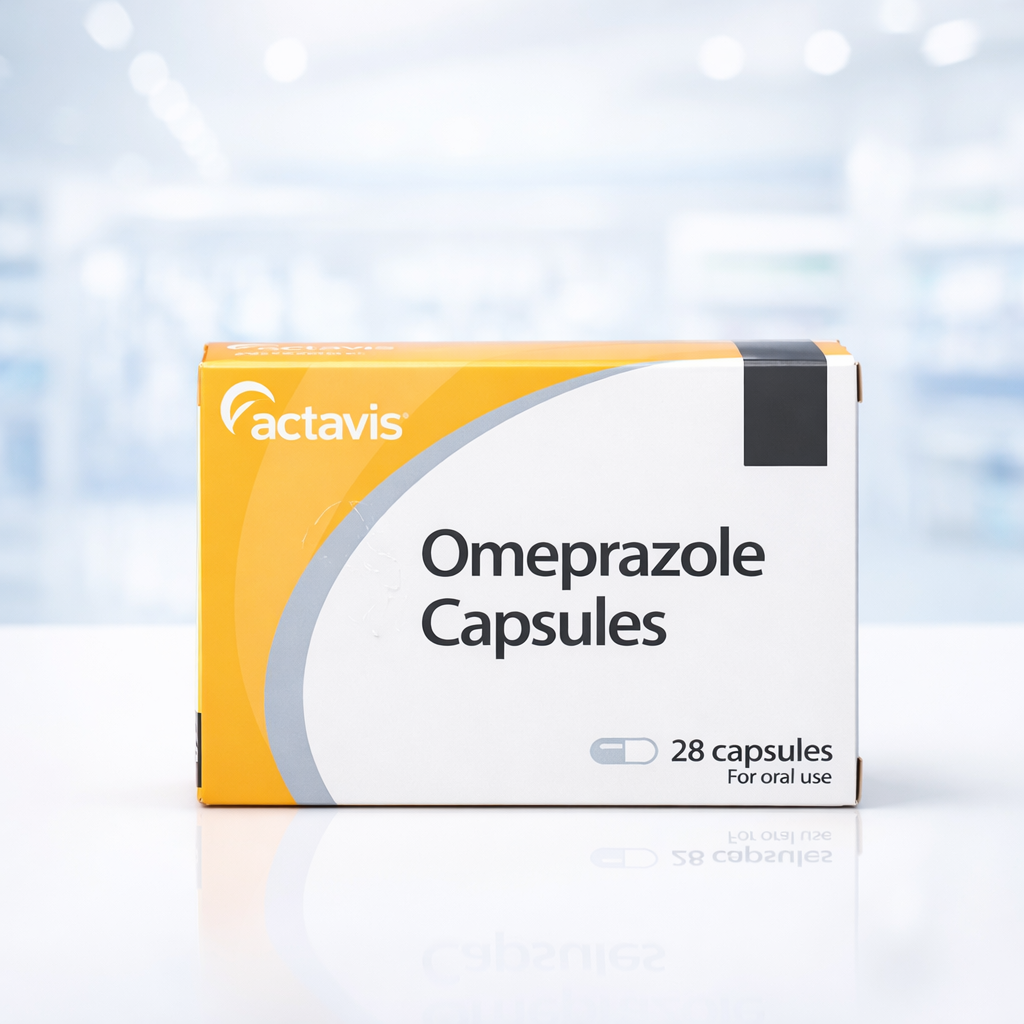
Omeprazole Capsules
One of the most widely used proton pump inhibitors (PPIs) in the UK. Blocks acid-producing pumps in the stomach lining. Used for GORD, persistent heartburn, oesophagitis, gastric ulcers, and prevention of NSAID-related ulcers. Taken once daily before food.
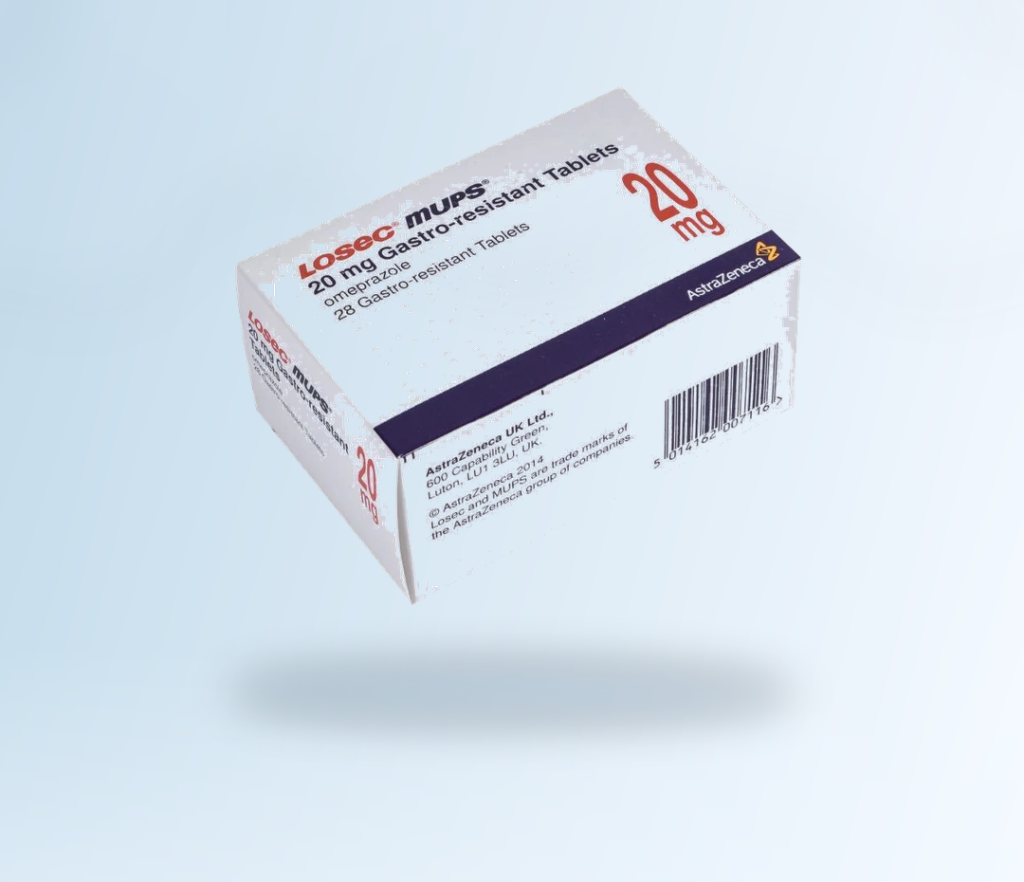
Omeprazole 20mg Dispersible Tablets
Same active ingredient as standard capsules but can be dissolved in water before taking. Suitable for patients who have difficulty swallowing standard capsules.
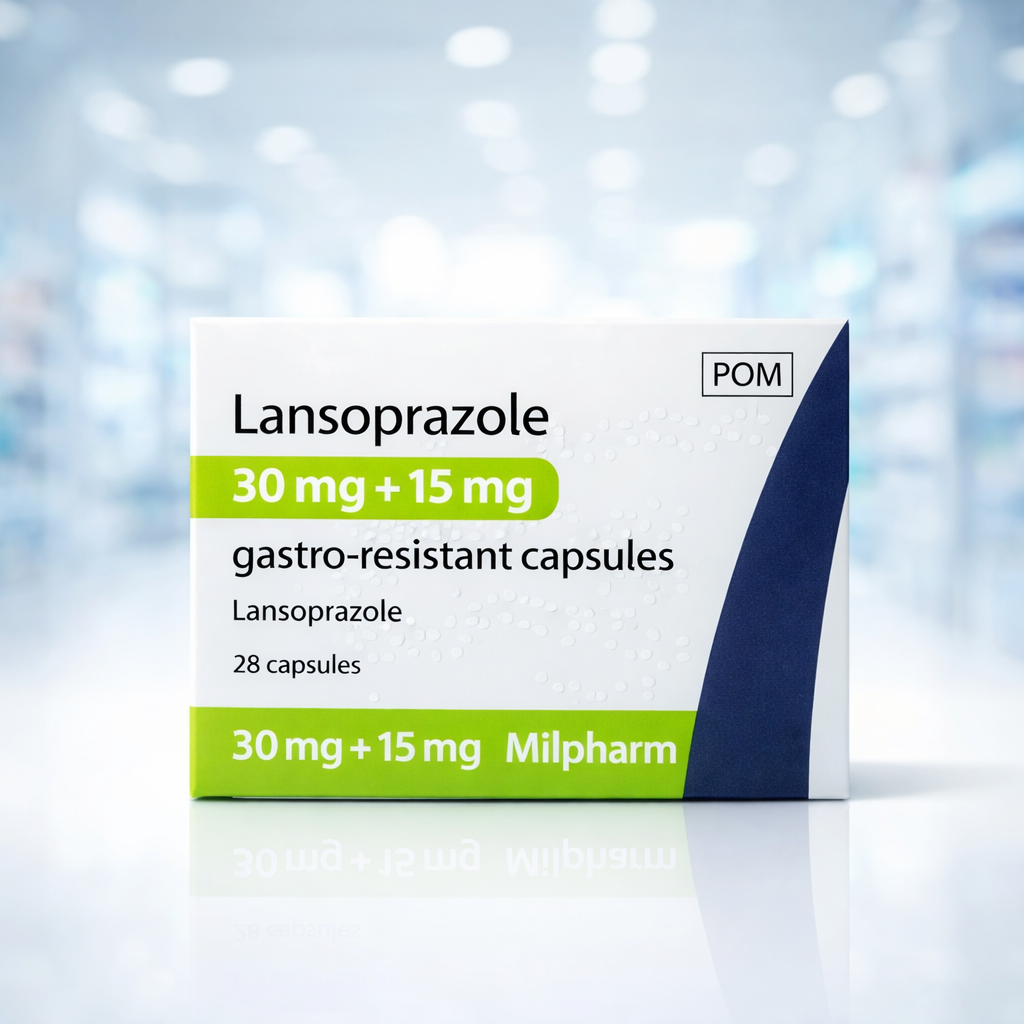
Lansoprazole Capsules
A PPI comparable in effectiveness to Omeprazole. Reduces stomach acid and supports healing of inflamed oesophageal tissue. Also used in ulcer treatment and H. pylori eradication. Taken once daily before food.
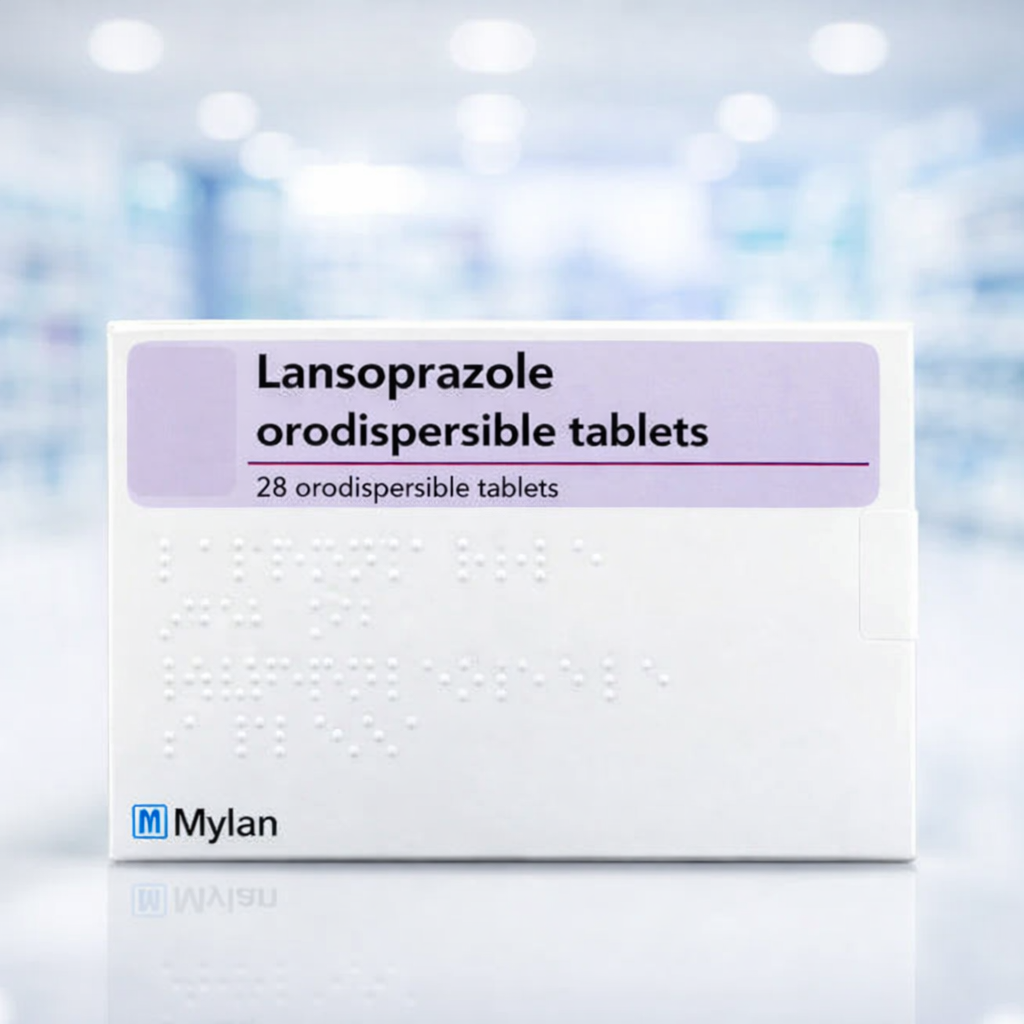
Lansoprazole Orodispersible Tablets
Designed for patients who struggle with swallowing capsules. The tablet dissolves on the tongue or can be dispersed in water. Same effectiveness as standard capsules.
Proton pump inhibitors provide stronger and more sustained acid suppression. They are generally preferred for confirmed GORD or when inflammation of the oesophagus is suspected. Although they begin working within hours, it can take two to four days to reach maximum benefit.
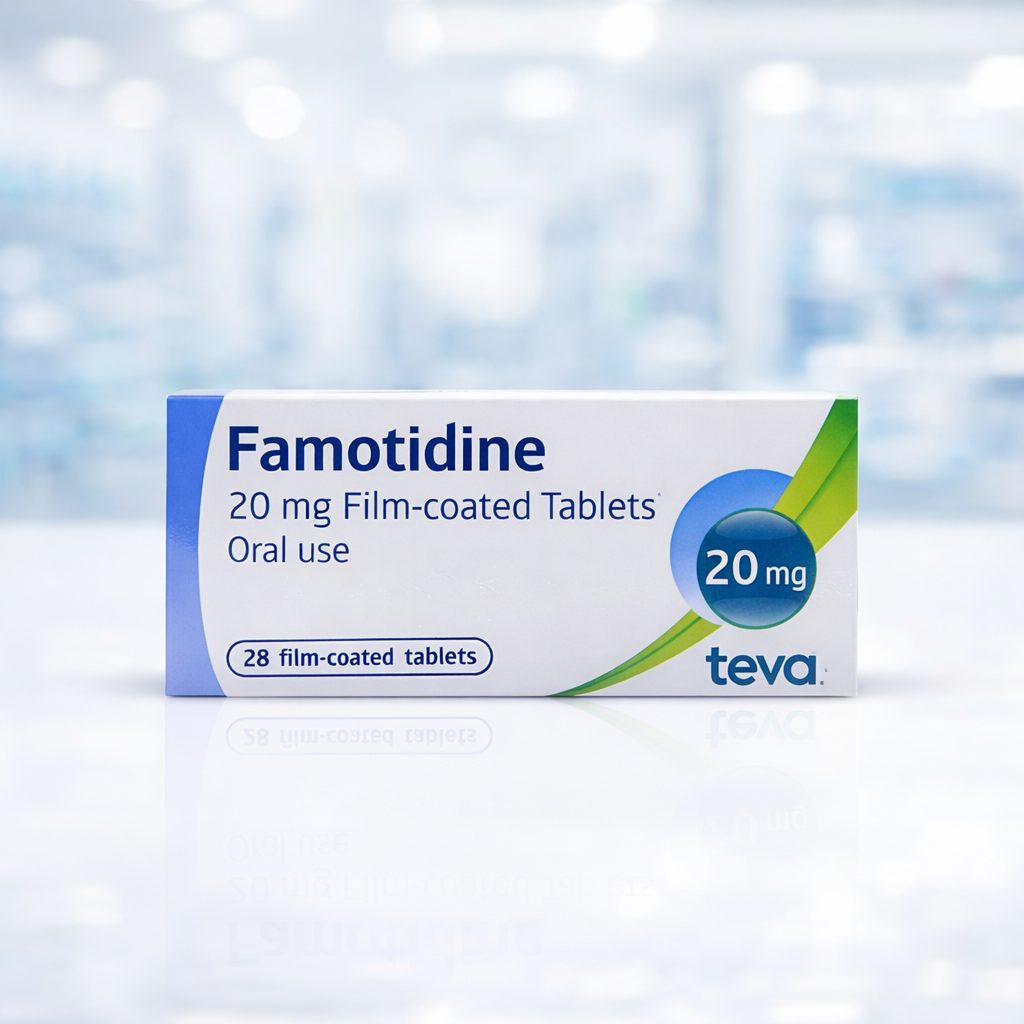
H2 blockers such as Famotidine act more quickly, often within one to three hours. They are useful for intermittent symptoms or predictable episodes of heartburn.
Treatment decisions are made by the pharmacist based on your consultation responses, in line with guidance from the National Institute for Health and Care Excellence, and are tailored to your individual circumstances.
Persistent acid exposure can irritate the oesophageal lining. While serious complications are uncommon, long-standing untreated reflux may lead to inflammation (oesophagitis), narrowing (stricture), or in rare cases, Barrett’s oesophagus. Early management reduces the likelihood of complications.
PPIs can be used long-term where clinically appropriate. Nevertheless, periodic review is recommended to confirm appropriate dosage and ongoing need. Long-term high-dose PPI use has been associated with:
Low magnesium levels
Reduced vitamin B12 absorption
Slightly increased fracture risk
These risks are generally small. Your pharmacist will review ongoing treatment at each consultation and may recommend stepping down to the lowest effective dose once symptoms are controlled.