Fast, Convenient Access To Sore Throat & Tonsillitis Treatment Through PharmaBee.
Sore throats are extremely common and can range from mild irritation to significant pain when swallowing. They are often caused by viral infections such as the common cold, but some people may develop bacterial infections such as tonsillitis that could benefit from further assessment and, in some cases, prescription treatment.

Many people recognise the symptoms of a sore throat and may wish to seek advice or treatment without the inconvenience of arranging a face-to-face appointment. At PharmaBee, our online service allows eligible patients to request treatment through a secure medical consultation that is reviewed by a qualified UK prescriber.
Supporting you to be the you you want to be.
At PharmaBee, we believe patients should have access to convenient healthcare without compromising safety. Every treatment request is assessed individually. If treatment is considered safe and appropriate, a prescription may be issued and sent to our UK pharmacy for dispensing. If treatment is not suitable, our prescribers may request additional information, provide self-care advice, or recommend assessment by your GP or another healthcare professional.
Where additional information is needed, our prescribers can contact you securely through your PharmaBee patient portal. We strongly encourage patients to allow us to notify their GP of any treatment supplied.
A sore throat describes pain, irritation or discomfort affecting the throat. It is one of the most common reasons people seek medical advice and can occur for many different reasons. Most sore throats are caused by viral infections and improve without antibiotics. However, some sore throats are caused by bacterial infections, including tonsillitis, which may require additional assessment and, in certain circumstances, treatment with antibiotics.
The throat contains several structures that can become inflamed during an infection, including the tonsils, the back of the throat (pharynx), and the surrounding tissues of the mouth and throat. Although most sore throats improve within a few days to a week, some infections can be more severe or develop complications. This is why appropriate assessment remains important.
Tonsillitis occurs when the tonsils become inflamed, usually as a result of an infection. The tonsils are two small collections of tissue located at the back of the throat. They form part of the body’s immune system and help recognise and respond to germs entering through the mouth and nose. When the tonsils become infected, they can become red, swollen, painful, or covered with white or yellow spots or coatings.
Tonsillitis can be caused by both viruses and bacteria. Viral infections remain the most common cause of tonsillitis and do not respond to antibiotics. Some people develop bacterial tonsillitis, which may benefit from antibiotic treatment if a prescriber believes it is clinically appropriate. Many people recover fully within a week, although symptoms can occasionally last longer depending on the cause and severity of the infection.

PharmaBee’s online sore throat and tonsillitis service is intended for adults experiencing symptoms that may be consistent with an uncomplicated throat infection. Our service is designed for adults aged 18 plus. Children and young people with suspected tonsillitis should be assessed by an appropriate healthcare professional, as they often require different assessment pathways and treatment considerations.

Symptoms can vary between individuals, but common symptoms include:
Some people may also experience ear pain, changes to their voice, reduced appetite, muscle aches, or chills. White or yellow spots on the tonsils can occur with both viral and bacterial infections and do not automatically mean antibiotics are required.
Many people assume that severe throat pain, white spots on the tonsils or swollen glands automatically mean they need antibiotics. However, this is not always the case. Most sore throats and many cases of tonsillitis are caused by viruses. Viral infections do not respond to antibiotics and usually improve with time, rest and symptom relief measures.
Bacterial infections can cause similar symptoms and may sometimes be more likely when symptoms are particularly severe, have lasted longer than expected, are getting worse rather than improving, improved before becoming worse again, or certain combinations of symptoms are present. Other conditions, including glandular fever, can sometimes cause symptoms that resemble bacterial tonsillitis.


Not all sore throats can be safely managed through an online service. You should seek urgent medical attention if you experience:
If you feel seriously unwell, contact NHS 111, your GP, urgent care services or emergency services as appropriate.
Most cases are caused by viral infections, including viruses responsible for the common cold and flu-like illnesses. These infections are usually self-limiting, meaning they often improve without antibiotics. Some sore throats are caused by bacterial infections. Less commonly, sore throat symptoms may be associated with glandular fever, allergies, irritation caused by smoking or vaping, dry air, acid reflux, or other medical conditions affecting the throat.
Many sore throats improve without antibiotics so treatment often focuses on relieving symptoms while the body’s immune system deals with the underlying infection. Depending on your symptoms and individual circumstances, management may include rest, drinking plenty of fluids, pain relief medicines, medicated throat sprays, lozenges, home remedies, or prescription treatment where clinically appropriate.


Pain Relief: Pain relief medicines such as paracetamol or ibuprofen may help reduce throat pain, fever and discomfort for suitable individuals.
Medicated Throat Sprays And Gargles: Some people find products containing benzydamine, such as medicated throat sprays or gargles, helpful for managing throat discomfort and irritation.
Lozenges: Medicated lozenges may provide temporary relief from soreness and throat discomfort.
Honey And Warm Drinks: Warm drinks containing honey and lemon are commonly used to soothe sore throats. Honey should not be given to children under one year of age.
Salt Water Gargles: Gargling with warm salty water may help some people manage throat discomfort.
Rest And Hydration: Getting adequate rest and drinking enough fluids are important during recovery. Maintaining hydration is particularly important if swallowing is painful.


Antibiotics are not routinely recommended for every sore throat. Most sore throats improve without antibiotics, particularly when symptoms are caused by viral infections. In some situations a prescriber may believe that a bacterial infection is contributing to symptoms and that the potential benefits of antibiotic treatment outweigh the risks.
Factors that may be considered include the duration of symptoms, symptom severity, whether symptoms are worsening, whether symptoms improved before becoming worse again, relevant medical history, previous treatment attempts, and individual risk factors. The appearance of the throat alone does not always determine whether antibiotics are needed.

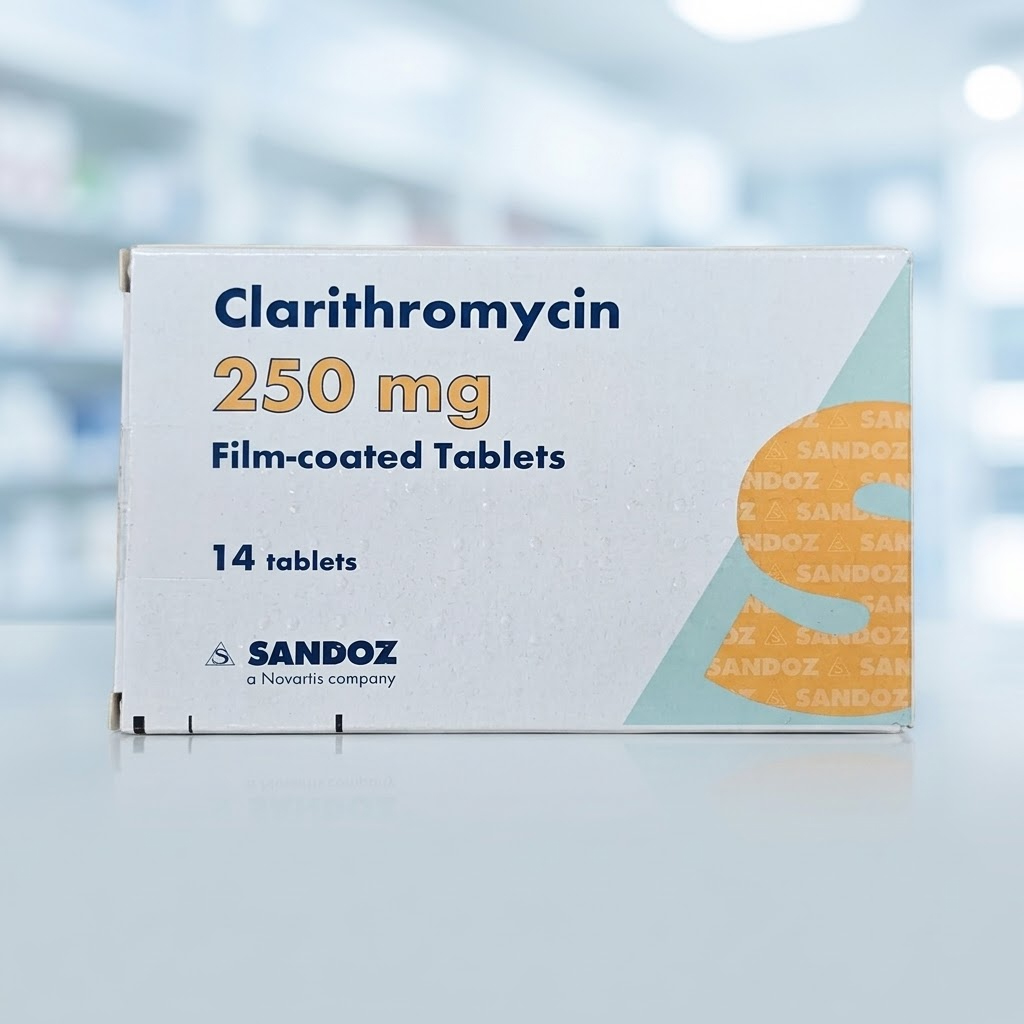
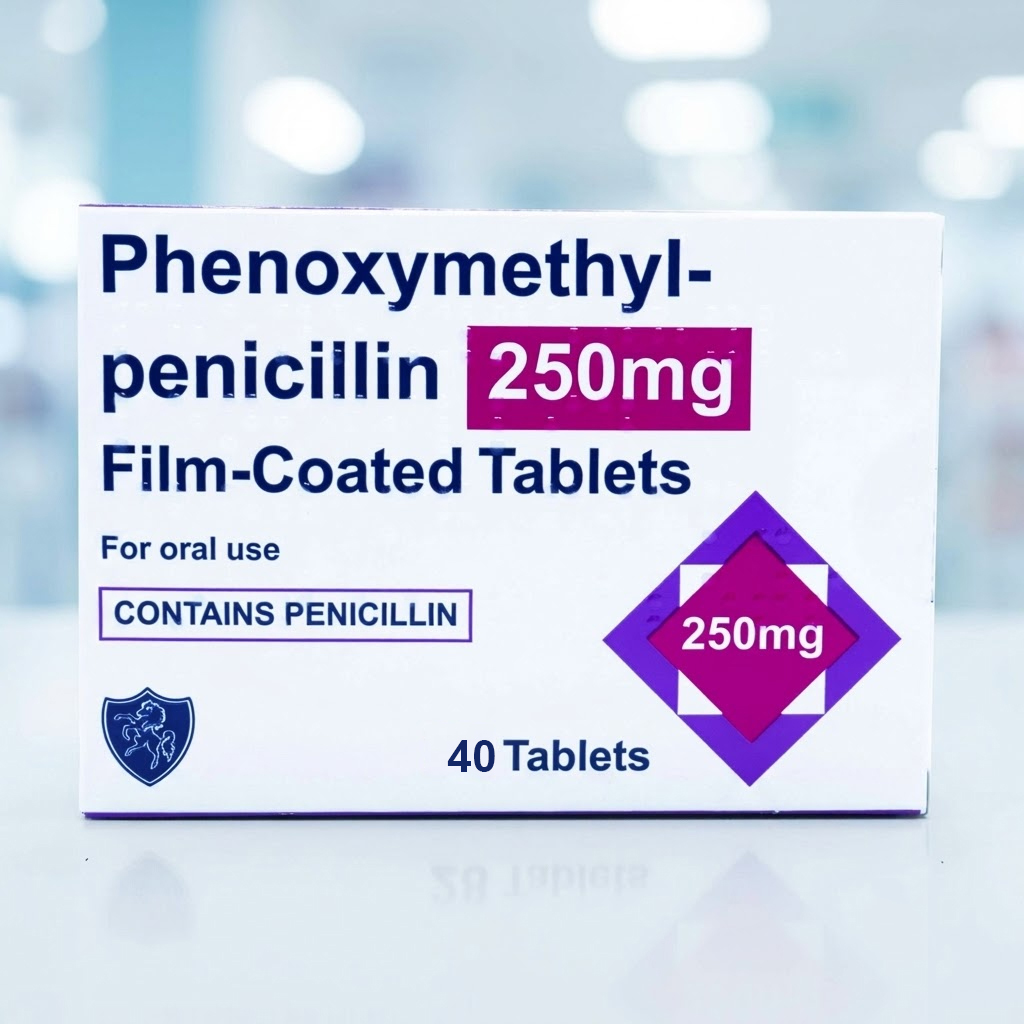
At PharmaBee, our current treatment options for suitable patients may include:
Phenoxymethylpenicillin, sometimes known as penicillin V, is a penicillin antibiotic that has been used for many years to treat certain bacterial infections. It is commonly used as a first-line treatment option when antibiotic treatment for bacterial tonsillitis is considered appropriate. It does not treat viral infections and is not suitable for people with a known penicillin allergy.
Clarithromycin is an antibiotic that belongs to a group of medicines known as macrolides. It may sometimes be considered for patients who are unable to take penicillin-based antibiotics or where an alternative treatment is considered more appropriate following clinical assessment. Clarithromycin is not suitable for everyone and may interact with certain medicines.
Antibiotics remain an important treatment for bacterial infections, but they are not appropriate for every sore throat or episode of tonsillitis. Using antibiotics when they are unlikely to provide benefit may expose patients to unnecessary side effects and contributes to the wider problem of antibiotic resistance. At PharmaBee, all prescribing decisions are made by qualified independent prescribers following an individual clinical assessment. Prescribing decisions are based on clinical need rather than patient expectation.
You will be asked a series of questions about your symptoms, medical history, allergies and current medicines. Providing complete and accurate information helps our prescribers make safe and appropriate treatment decisions.
A qualified independent prescriber will review your consultation. Additional information may be requested if required to support safe prescribing. Where necessary, our prescribers may contact you securely through your PharmaBee patient portal.
Depending on the outcome of your assessment, your prescriber may recommend self-care measures, symptom management advice, prescription treatment, further medical assessment, or referral to your GP or another healthcare professional. Patient safety remains the primary consideration in every prescribing decision.

You should seek further medical advice if your symptoms worsen significantly, symptoms fail to improve as expected, you develop new symptoms, you experience troublesome side effects from treatment, you become concerned about your symptoms or recovery, or you have difficulty eating or drinking because of your symptoms.
The information provided on this page is intended for educational purposes only and should not replace individual medical advice. A diagnosis cannot be confirmed solely from information provided on this page. Treatment recommendations can only be made following assessment by a qualified prescriber and the suitability of treatment will depend on your symptoms, medical history and individual circumstances.
Supporting you to be the you you want to be.

Yes, following online assessment by a UK-registered prescriber. However, this does not replace dental care.
Most patients notice improvement within 48–72 hours.
Yes. Always complete the prescribed course unless advised otherwise by a healthcare professional.
You must not take Amoxicillin. Metronidazole may be considered if appropriate.
You can contact Pharmabee through our website contact form or via your online account for support and enquiries.
Yes. Untreated infections can spread to the jaw, neck, or bloodstream in rare cases. This is why urgent assessment is important.
Mulla Pharm Limited, 1 Haverflatts Lane, Milnthorpe, Cumbria, LA7 7PS

Copyright © 2026 Mulla Pharm Limited, All Rights Reserved. Company Registration No: 07821735. SEO by REM Digital