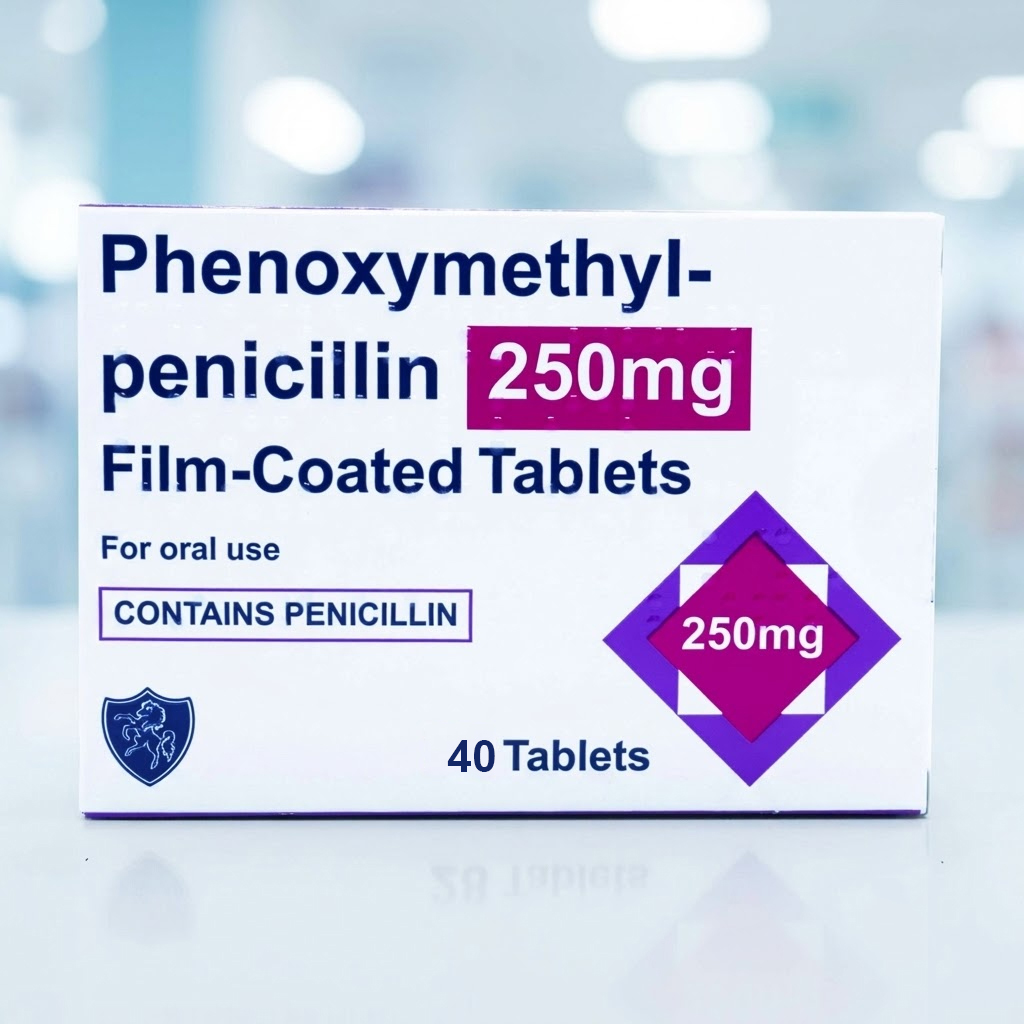
Phenoxymethylpenicillin is a penicillin antibiotic that may be prescribed when symptoms suggest a bacterial throat infection and antibiotic treatment is considered appropriate.

Supporting you to be the you you want to be
Many sore throats and episodes of tonsillitis improve without antibiotics, particularly when symptoms are caused by viral infections. However, in some situations, a bacterial infection may be contributing to symptoms and antibiotic treatment may be beneficial following clinical assessment.
Phenoxymethylpenicillin works by treating certain types of bacteria that can cause infections. It does not treat viral infections and will not be appropriate for every patient experiencing sore throat or tonsillitis symptoms. At PharmaBee, all treatment recommendations are made by qualified independent prescribers following assessment of your symptoms, medical history and individual circumstances. Not everyone who completes a consultation will require antibiotics, and a medicine will only be recommended where it is considered clinically appropriate.
What Is Phenoxymethylpenicillin?
Phenoxymethylpenicillin, sometimes known as penicillin V, is an antibiotic that belongs to the penicillin family of medicines. It has been used for many years to treat a range of bacterial infections and remains an important treatment option for certain conditions when antibiotic therapy is considered appropriate. Antibiotics work differently from treatments such as pain relief medicines, medicated throat sprays or lozenges. Rather than reducing symptoms directly, they work by targeting susceptible bacteria that may be causing or contributing to an infection. Because antibiotics only work against bacteria, they are not effective against viral infections such as the common cold, flu or many sore throats. For this reason, a careful clinical assessment is important before deciding whether antibiotic treatment is likely to be beneficial.
How Does Phenoxymethylpenicillin Work?
Phenoxymethylpenicillin works by interfering with the formation of bacterial cell walls. This weakens susceptible bacteria and helps the body’s immune system clear the infection. As the infection begins to improve, symptoms may gradually start to settle. However, antibiotics do not usually provide immediate symptom relief. Even when an antibiotic is appropriate, it may take several days before symptoms begin to improve. For many people, self-care measures such as rest, hydration, pain relief and symptom management remain important alongside any prescribed treatment.
What Is Phenoxymethylpenicillin Used For?
Phenoxymethylpenicillin is used to treat certain bacterial infections where the bacteria involved are expected to respond to treatment. It is commonly prescribed for infections affecting areas such as the throat, respiratory tract, skin and soft tissues when clinically appropriate. For some patients experiencing sore throat or tonsillitis symptoms, a prescriber may determine that a bacterial infection is contributing to the illness and that antibiotic treatment may be beneficial. Treatment decisions are always made on an individual basis and will depend on factors such as symptom duration, symptom severity, medical history and overall clinical assessment.
Why Might Phenoxymethylpenicillin Be Recommended?
A prescriber may consider phenoxymethylpenicillin appropriate when symptoms and clinical assessment suggest that a bacterial infection could be contributing to the illness. Factors that may be considered include how long symptoms have been present, whether symptoms are worsening, whether symptoms improved before becoming worse again, the severity of symptoms, relevant medical history, and previous treatment attempts. The appearance of the throat alone does not always determine whether antibiotics are needed. The decision to prescribe an antibiotic is based on clinical need rather than a single symptom or patient expectation.
How To Take Phenoxymethylpenicillin
Phenoxymethylpenicillin should always be taken exactly as directed by your prescriber. For bacterial tonsillitis, treatment is commonly taken several times throughout the day for a defined treatment period. Phenoxymethylpenicillin is usually taken on an empty stomach — at least 30 minutes before food or at least 2 hours after eating, as food can reduce how well the medicine is absorbed, which may affect how effectively it works. Try to take your doses at evenly spaced intervals throughout the day where possible. Always follow the instructions provided with your medicine.
How Long Does Phenoxymethylpenicillin Take To Work?
Antibiotics do not usually provide immediate symptom relief. If a bacterial infection is contributing to your symptoms and the antibiotic is effective against the bacteria involved, some people begin to notice improvement within a few days of starting treatment. However, recovery varies between individuals. Symptom improvement is often gradual rather than immediate. Even when antibiotics are prescribed, supportive measures such as rest, hydration and appropriate symptom relief may remain important during recovery.
What If I Miss A Dose?
If you forget to take a dose, take it as soon as you remember unless it is nearly time for your next dose. If your next dose is due soon, skip the missed dose and continue taking your medicine at the usual time. Do not take two doses together or take extra medicine to make up for a missed dose. If you are unsure what to do after missing a dose, seek advice from a pharmacist or another healthcare professional.
When Might Phenoxymethylpenicillin Not Be Suitable?
Phenoxymethylpenicillin will generally not be suitable for people who have a known allergy to penicillin antibiotics, have previously experienced a serious allergic reaction to penicillin, have certain medical conditions where alternative treatment or further assessment may be more appropriate, or have symptoms that suggest a different diagnosis or a condition requiring urgent medical attention.
Pregnancy And Breastfeeding
If you are pregnant, planning a pregnancy or breastfeeding, it is important to tell your prescriber during your consultation. Phenoxymethylpenicillin has been used during pregnancy and breastfeeding for many years and may be considered suitable in certain circumstances following clinical assessment. Our prescribers will consider the stage of pregnancy, your symptoms, medical history and individual circumstances when making treatment recommendations.
Medicines And Interactions
Phenoxymethylpenicillin can interact with some medicines. It is important to provide an accurate and up-to-date list of all medicines you currently take, including prescription medicines, pharmacy medicines, herbal remedies, vitamins and supplements. Our prescribers review your medication history as part of every consultation to help ensure treatment is appropriate and safe.
Possible Side Effects
Like all medicines, phenoxymethylpenicillin can cause side effects, although not everybody experiences them. Many people take phenoxymethylpenicillin without significant problems. Some side effects that may occur include:
These side effects are often mild and may improve as treatment continues. However, some side effects, like severe, persistent or bloody diarrhoea, may be more serious and require prompt medical attention. Always read the Patient Information Leaflet supplied with your medicine.
Penicillin Allergy And Allergic Reactions
Phenoxymethylpenicillin should not be used by people with a known allergy to penicillin or any ingredient contained within the medicine. An allergic reaction can sometimes occur after taking penicillin antibiotics. Symptoms may include:
Severe allergic reactions are uncommon but can be serious and require urgent medical attention. You should always tell your prescriber about any previous allergic reactions to medicines, particularly penicillin antibiotics. If you develop symptoms suggestive of an allergic reaction after taking phenoxymethylpenicillin, seek urgent medical advice immediately.
Will Phenoxymethylpenicillin Cure My Sore Throat?
Not necessarily. Many sore throats are caused by viral infections and antibiotics do not treat viral illnesses. If a bacterial infection is contributing to your symptoms and treatment is considered appropriate, phenoxymethylpenicillin may help your body clear the infection. However, recovery varies between individuals and symptom improvement is often gradual rather than immediate.
Can I Drink Alcohol While Taking Phenoxymethylpenicillin?
There is no specific interaction between phenoxymethylpenicillin and alcohol, but if you are feeling unwell, have a fever or are recovering from an infection, some people may prefer to avoid alcohol until they are feeling better.
Can I Take Painkillers With Phenoxymethylpenicillin?
Many people can take medicines such as paracetamol alongside phenoxymethylpenicillin. Pain relief medicines may help manage symptoms such as throat pain, discomfort when swallowing and fever while your body recovers from infection. However, not all medicines are suitable for everyone. If you are unsure whether a medicine is suitable for you, seek advice from a pharmacist or another healthcare professional.
What If My Symptoms Do Not Improve?
If your symptoms fail to improve as expected, worsen significantly or new symptoms develop, seek further medical advice. Additional assessment may sometimes be required, even after treatment has been recommended.
Can I Stop Taking Treatment Once I Feel Better?
Take your medicine exactly as prescribed. If you have concerns about your treatment or are considering stopping treatment early, seek advice from a healthcare professional before making any changes.
Why Was I Not Offered An Antibiotic?
Not all sore throats require antibiotics. Many sore throats improve without antibiotic treatment, particularly when symptoms are caused by viral infections. Treatment recommendations are based on clinical need rather than patient expectation. In some situations, self-care measures, symptom management advice or further assessment may be the most appropriate recommendation.

Mulla Pharm Limited, 1 Haverflatts Lane, Milnthorpe, Cumbria, LA7 7PS
Copyright © 2026 Mulla Pharm Limited, All Rights Reserved. Company Registration No: 07821735. SEO by REM Digital