Persistent heartburn and acid reflux can affect your comfort, sleep, appetite, and overall quality of life. When symptoms occur regularly, they may indicate gastro-oesophageal reflux disease (GORD), a common digestive condition seen frequently in UK primary care.
Pharmabee offers clinically appropriate, prescription-strength treatments for acid reflux and GORD following a secure online consultation reviewed by our team. There is no need to arrange a GP appointment.
If treatment is suitable, a private prescription is issued and your medication is delivered discreetly, often with next-day delivery available. Every consultation is assessed individually and medication is only supplied when clinically appropriate and safe for you.
Acid reflux occurs when stomach acid flows back into the oesophagus (the tube connecting your mouth to your stomach). The lining of the stomach is designed to handle acid, but the oesophagus is more sensitive. When acid repeatedly travels upwards, it can cause irritation and inflammation.
The most recognised symptom is heartburn — typically described as a burning sensation in the chest that may worsen after eating, bending over, or lying down. Occasional reflux is common, particularly after large or rich meals. When symptoms occur more than twice per week, or significantly interfere with daily life, the condition is often referred to as GORD, which affects an estimated 10–20% of adults in the UK.
There is a ring of muscle at the bottom of the oesophagus known as the lower oesophageal sphincter. This muscle acts as a valve, opening to allow food into the stomach and closing to prevent acid from rising back up. When this valve weakens or relaxes inappropriately, acid can escape into the oesophagus. Several factors can increase the likelihood of reflux, including:
Symptoms vary between individuals. The most common include:
Heartburn — burning sensation in the chest
Acid regurgitation — sour or bitter taste
Bloating or upper abdominal discomfort
Nausea after eating
Persistent cough
Hoarse voice
Sore throat
Symptoms worse when lying down
The discomfort you can feel in the chest can occasionally mimic cardiac pain. If chest pain is severe, spreads to the arm or jaw, or is associated with breathlessness, urgent medical attention should be sought immediately.
You may have GORD if symptoms occur more than twice weekly, symptoms disturb sleep, you rely regularly on over-the-counter remedies, or symptoms persist despite lifestyle changes. Persistent acid exposure can irritate the oesophageal lining. While serious complications are uncommon, long-standing untreated reflux may lead to inflammation (oesophagitis), narrowing (stricture), or in rare cases, Barrett’s oesophagus.
You should not ignore, or try to treat, some symptoms without seeing a doctor. The following are considered serious symptoms and require prompt investigation by your GP or hospital services:
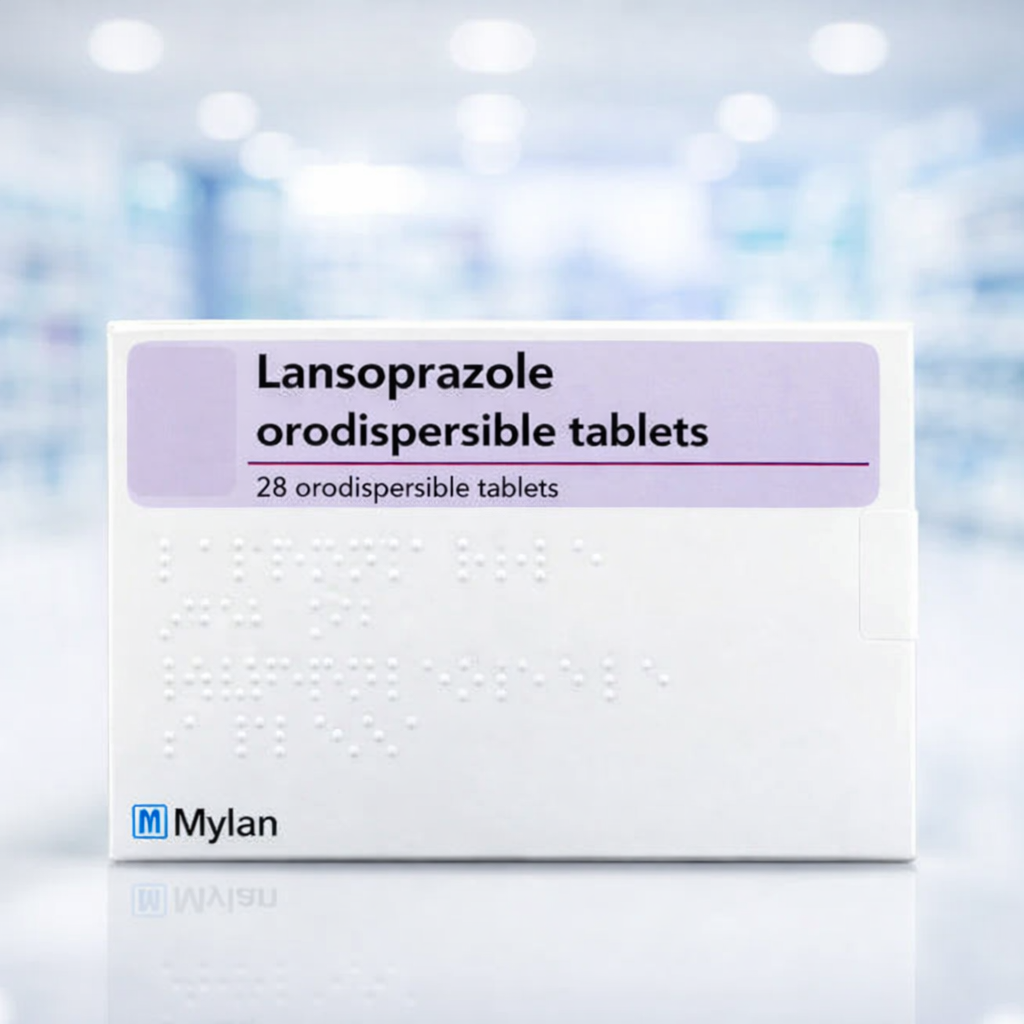
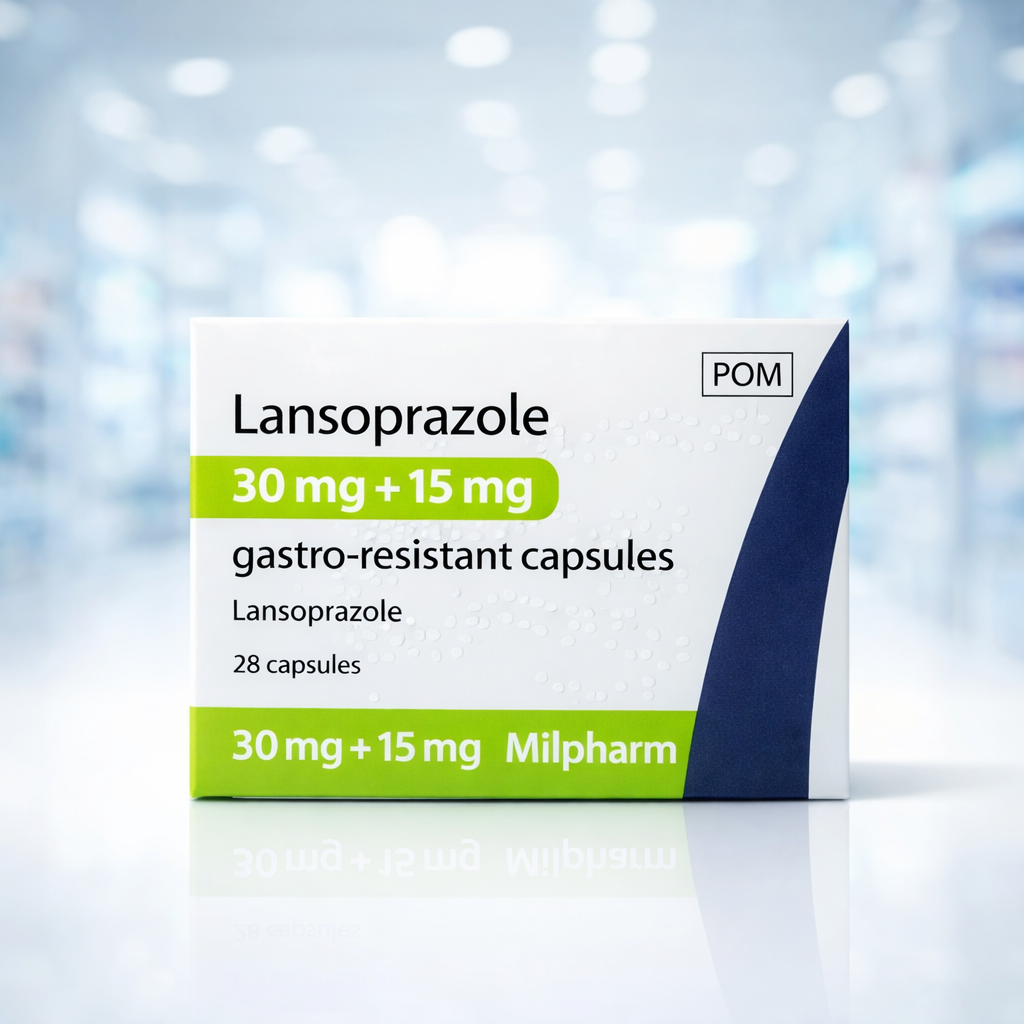
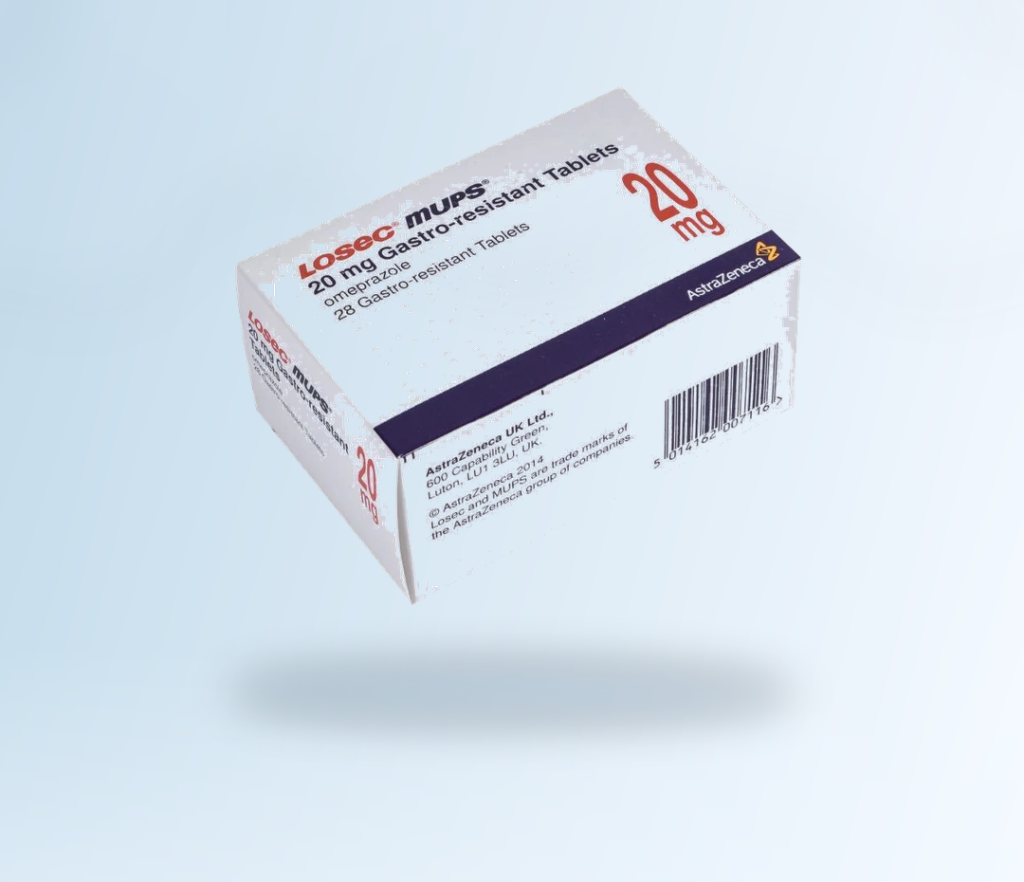
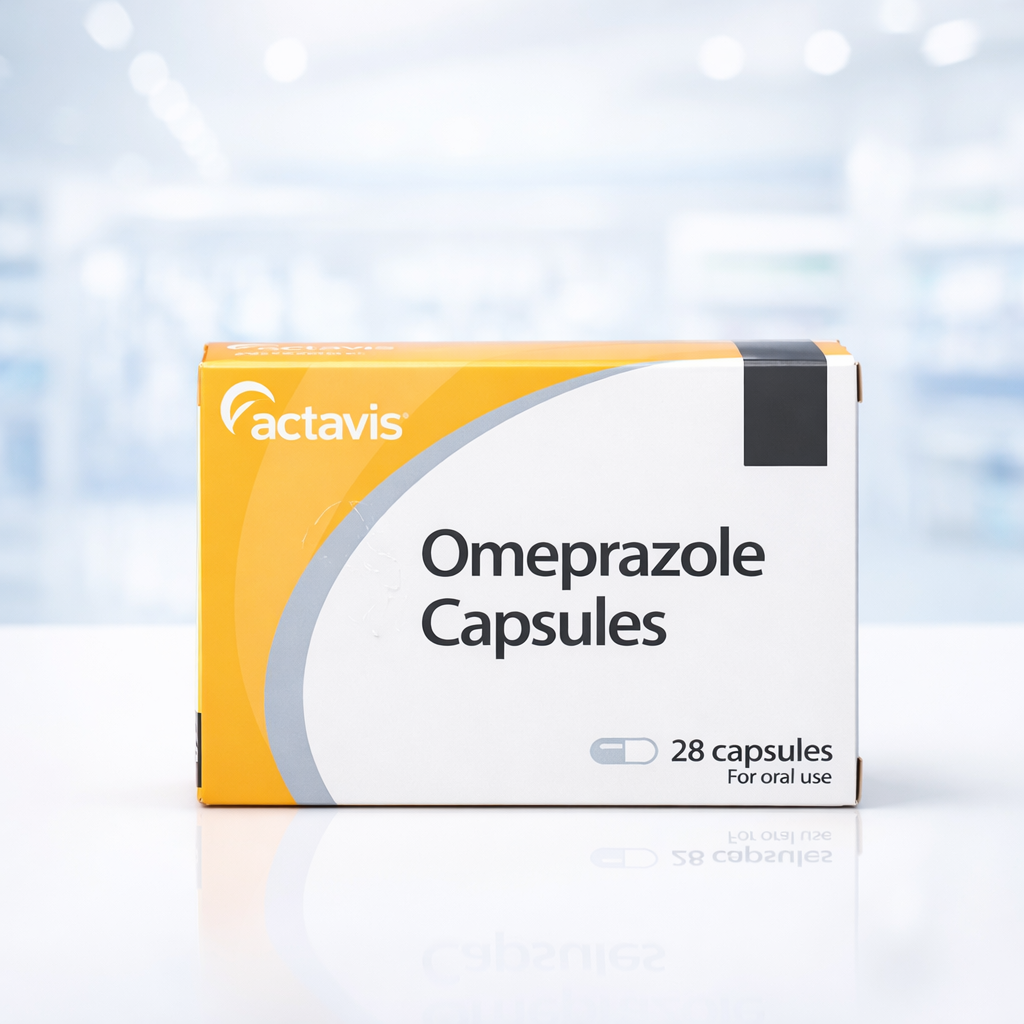
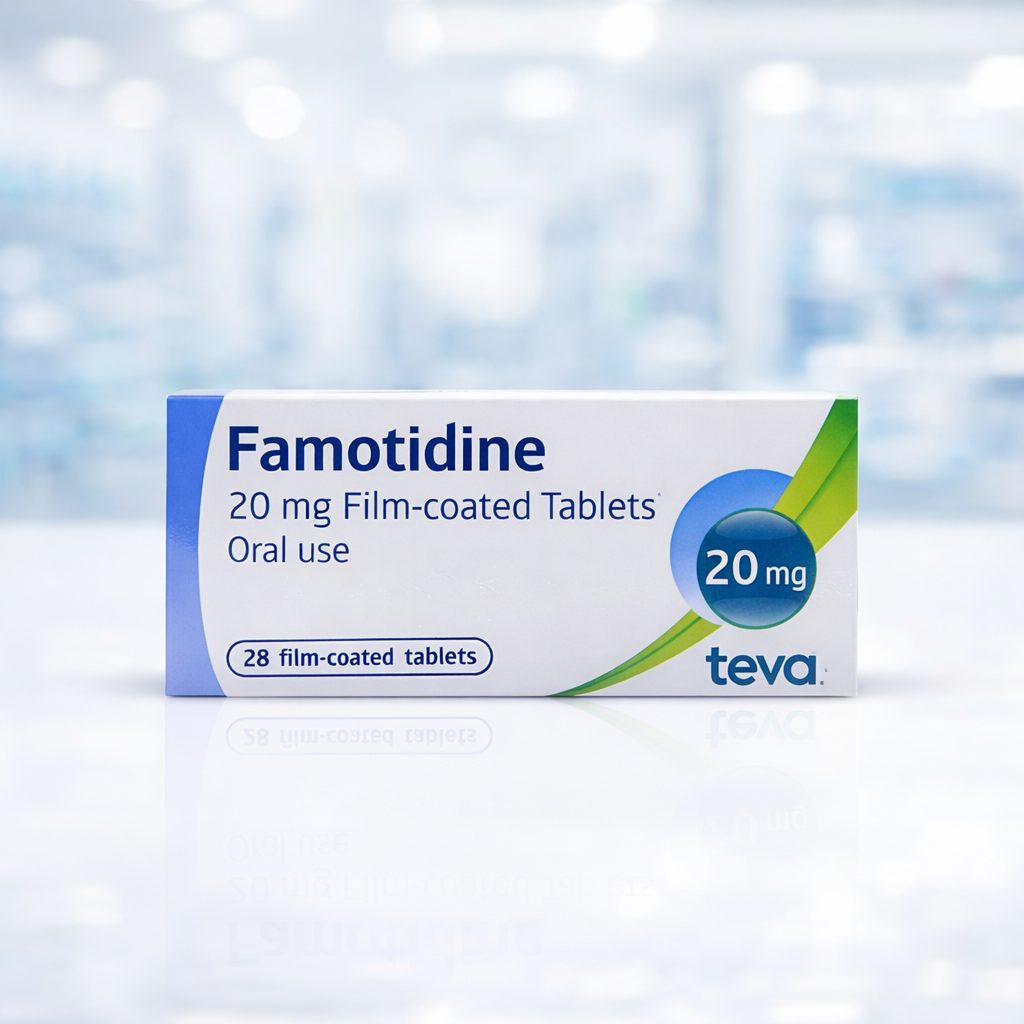
Proton pump inhibitors provide stronger and more sustained acid suppression. They are generally preferred for confirmed GORD or when inflammation of the oesophagus is suspected. H2 blockers such as Famotidine act more quickly, often within one to three hours, and are useful for intermittent symptoms or predictable episodes of heartburn. Treatment decisions are made by our experience team based on your consultation responses in line with guidance from the National Institute for Health and Care Excellence.